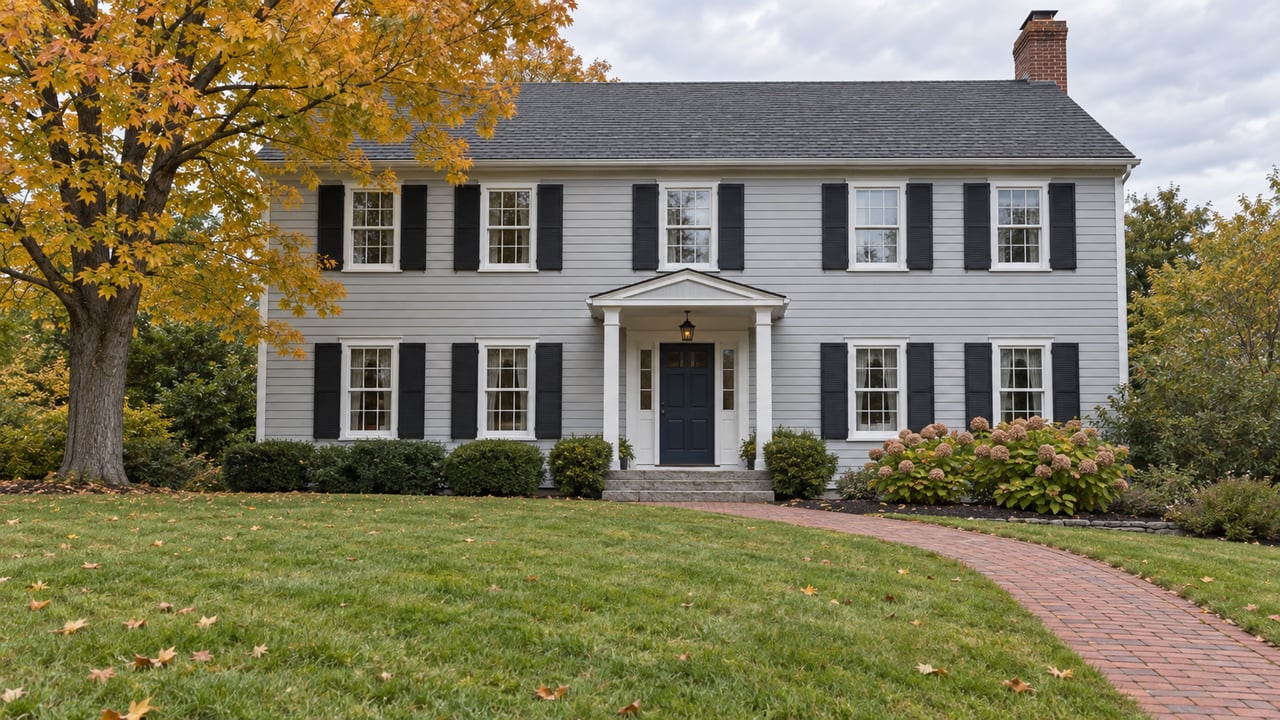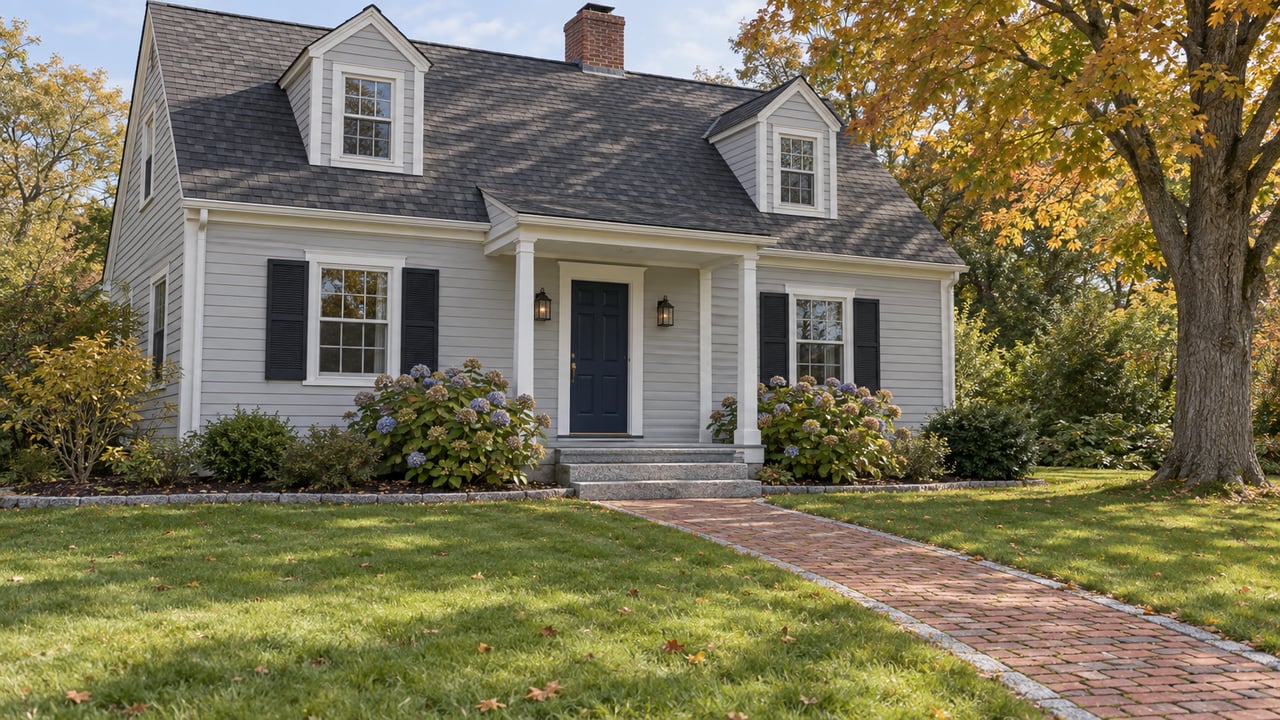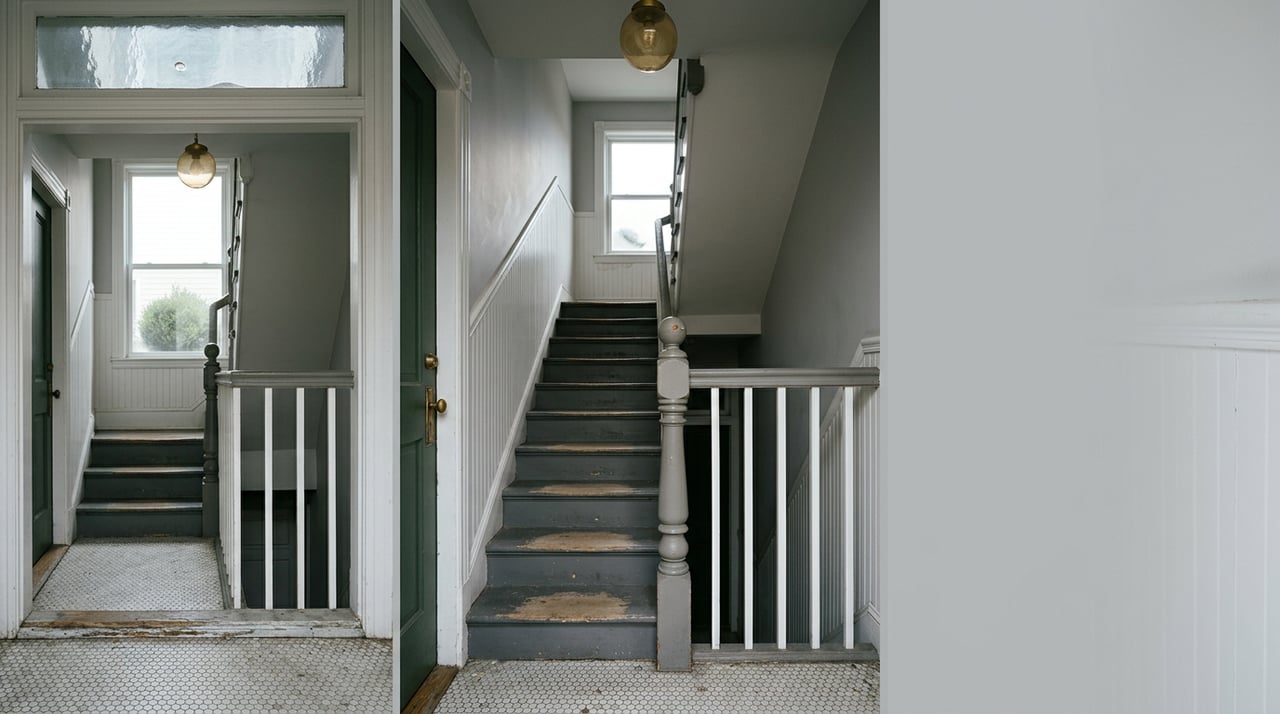
When a local contractor turned over the vacant first-floor unit of a 1908 triple-decker in Fitchburg's Cleghorn neighborhood, the kitchen still had its original painted cabinets and a cast iron sink, and the supply lines feeding it were original galvanized pipe, corroding at the joints. That is not a rare find in this city. It is what routinely turns up in a housing stock where more than four in ten homes were built before 1939, and it is exactly the kind of finding that is slowing down multi-family sales right now.
Here's the number that should catch the attention of anyone shopping Fitchburg's two- and three-family market. Across the city as a whole, homes sold in roughly 34 days and drew about three offers apiece over the three months ending April 2026. Active multi-family listings right now are sitting for closer to 74 days and averaging around one offer. That's not a soft market for triple-deckers. It's a market where the properties themselves carry friction that single-family buyers rarely have to think about, and that friction shows up after the offer is accepted, not before.
The Same Bones That Make the Numbers Work
Fitchburg's investment appeal and its inspection headaches come from the same source: a housing stock built for mill workers more than a century ago. The Cleghorn neighborhood, bordered to the north by the Nashua River, still has a concentration of the triple-deckers built to house that workforce, and it isn't alone. A local remodeling contractor who works regularly in the city describes a housing profile that ranges from working-class triple-deckers and two-family homes downtown and in the Rollstone and South Fitchburg neighborhoods, to post-war capes and colonials in Upper Common and Laurel Hill, to larger Victorian-era homes off Main and Water streets. If you're touring multi-families, you're almost certainly touring buildings from the first three decades of the 20th century.
That age is precisely what makes these properties cash flow well as rentals and precisely what slows down the sale. A building that's stood for over a hundred years accumulates systems that predate modern code, and those systems are what a home inspector, an insurance underwriter, and a state compliance officer all care about in different ways.
What Actually Slows These Deals Down
Four findings show up disproportionately often in Fitchburg's older multi-families, and each one adds real time or real cost between an accepted offer and a closing date.
| Inspection Finding | What It Triggers | Typical Cost or Timeline |
|---|---|---|
| Active knob-and-tube wiring | Most standard insurers won't bind a policy until it's replaced or scheduled | $8,000 to $30,000+ to rewire, depending on the building's size and access; many carriers require the work done within 30 to 60 days of the policy taking effect |
| Corroding galvanized supply lines | A plumber's scope gets added to the closing checklist, sometimes with a price adjustment | Documented during a 1908 triple-decker unit-turn in Cleghorn, where original galvanized supply lines were corroding at the joints |
| Pre-1978 lead paint, if a child under six will move in | Massachusetts Lead Law compliance | Deleading or a Letter of Interim Control required within 90 days of taking title |
| Dated bathrooms and kitchens between units | Delays occupancy for buyers planning to re-rent immediately | A standard hall bath gut remodel in Fitchburg runs $12,000 to $22,000 in 2026, and landlord unit-turn work typically runs $10,000 to $16,000 per unit |
None of these findings are unusual for a building this old. What's unusual is how often buyers walk into the process without having priced them in.
The Insurance Clock Nobody Mentions at the Open House
Financing is not usually where these deals stall. Fannie Mae, Freddie Mac, and FHA guidelines all permit knob-and-tube wiring as long as it's functioning safely and rated at least 60 amps. Insurance is the harder wall. Most standard, admitted carriers will not write a homeowners or landlord policy on a property with active knob-and-tube wiring, full stop. If a buyer can't get the wiring replaced before closing, the fallback in Massachusetts is the Massachusetts Property Insurance Underwriting Association, the state's insurer of last resort, and those policies typically run 30 to 60 percent higher than standard market rates.
In practice, insurance carriers that will consider the risk typically ask for a signed contract with a licensed electrician committing to a rewire within 30 to 60 days of the policy taking effect. That's a real deadline sitting on top of an already tight closing timeline, and it's the piece that catches buyers off guard, because nobody brings it up until the loan is already in underwriting.
If your inspector calls it "older wiring" and moves on, ask the follow-up question yourself. Whether it's active knob-and-tube or already abandoned in place changes your insurance conversation entirely, and that conversation needs to happen before you write the offer, not after.
The Lead Compliance Clock
The other timeline that catches buyers off guard has nothing to do with the building's condition and everything to do with who's going to live in it. Under the Massachusetts Lead Law, a new owner of a home built before 1978 in which a child under six will reside must have the property deleaded or brought under interim control within 90 days of taking title. A Letter of Interim Control buys time on urgent hazards but is only valid for one year, renewable once, for a maximum of two years before full compliance is required.
Here's the detail most buyers miss: this requirement is triggered by occupancy, not by the building's age alone. If you're buying a triple-decker purely as a rental to adult tenants, or living in it yourself without young children, the Lead Law's active compliance clock doesn't start ticking. That distinction matters when you're deciding whether to budget for immediate deleading or simply keep documentation on file for the day a family with young children applies to rent from you.
What the Numbers Actually Pencil To
A three-unit listing on the market in Fitchburg this summer priced at $670,000 was advertised as delivering $5,400 a month in gross rental income, or $64,800 a year. That works out to a gross rent multiplier of roughly 10.3, a useful shorthand for comparing multi-family deals against each other. But that multiplier only tells you what the building earns, not what it costs to get it ready.
Layer in the friction this article has walked through and the picture changes. If that same building needs a rewire because of active knob-and-tube, you're looking at another $15,000 to $30,000 given its multi-story layout. If one unit needs a bathroom gut before a new tenant moves in, add $12,000 to $22,000 more. Neither of these costs shows up in the listing price, and neither one is optional once your inspector or your insurance agent flags it.
Before You Write the Offer on a Fitchburg Multi-Family
- Ask your inspector to specify whether wiring is active knob-and-tube or already abandoned, not just "older wiring."
- Call your insurance agent before you finalize your offer, not after your loan is in underwriting.
- Ask the listing agent about the property's Lead Law compliance obligations, including whether required deleading or interim-control work has been completed.
- If the building predates 1950, ask a plumber to specifically check for galvanized supply lines and their condition at the joints.
- Confirm permit history with the Fitchburg Building Department for any unit already described as "renovated" in the listing.
- Build your unit-turn and rewire budget using current local remodeling numbers, not a rough guess.
The Leverage Hiding in the Slow Sale
The 74-day average and the single-offer pattern aren't a sign that Fitchburg's triple-deckers are losing value. Citywide, home prices were still up 6.1 percent year over year over the three months ending April 2026. What the slower absorption tells you is that fewer buyers are prepared for what these buildings actually require between offer and closing. That's exactly the gap where a well-prepared buyer gets room to negotiate a credit for a rewire, a price adjustment for a needed bathroom line, or simply more time to line up insurance before the clock on your loan starts running short.
If you're weighing a Fitchburg multi-family and want a straight read on what a specific building will actually cost to close, not just what it's listed for, I'd rather walk that math with you before you write the offer than after. Doug Tammelin works this market every day, from the first walkthrough through property management once the deal is done. Reach out, or start with an instant home valuation to see where a property's numbers stand today.
Frequently Asked Questions
Does every Fitchburg triple-decker built before 1978 need to be deleaded before I can close? No. The Massachusetts Lead Law's active compliance requirement is triggered by occupancy, specifically whether a child under six will reside in the unit, not by the building's age alone. If no child under six will live there, deleading isn't required at the time of sale.
Can I still get a mortgage on a house with knob-and-tube wiring? Often yes. Fannie Mae, Freddie Mac, and FHA guidelines all permit knob-and-tube wiring as long as it's functioning safely and rated at least 60 amps. Insurance tends to be the bigger obstacle, since many standard carriers decline coverage on active knob-and-tube outright, pushing buyers toward the state's MPIUA fallback plan at a higher premium.
This article is general information, not legal, tax or financial advice. Consult a qualified professional about your situation.