Which rent number do you trust when you're underwriting a Fitchburg triple-decker?
That question sounds simple until you actually pull comps. Search for one-bedroom rentals in downtown Fitchburg right now and you'll find units listed near $1,400 a few blocks from units listed near $2,400. Same zip code. Same general neighborhood. A gap of nearly $1,000 a month on the same unit type. If you're pricing an acquisition and you grab the wrong number, your pro forma is wrong before you've made an offer.
That gap isn't noise. It's the clearest signal in the Fitchburg market right now, and it tells you something the median rent figure never will.
Two buildings, two markets
Walk through the old Nockege River mill that once housed the Fitchburg Yarn Company and you're standing in one version of downtown Fitchburg. The building has been converted into Yarn Works, a professionally managed community run by WinnCompanies, with one-bedroom units starting around $2,400 a month and running up to 1,815 square feet with fitness space, a resident lounge, and a grand central atrium built into the old mill's bones.
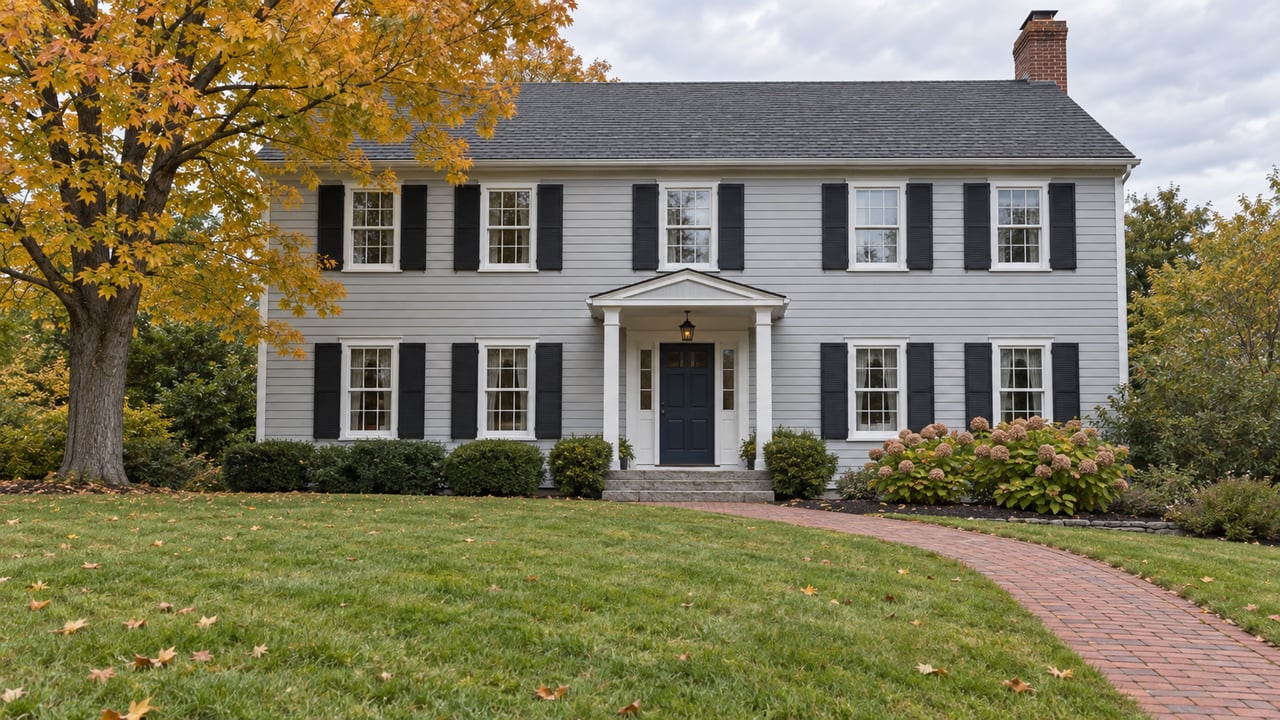
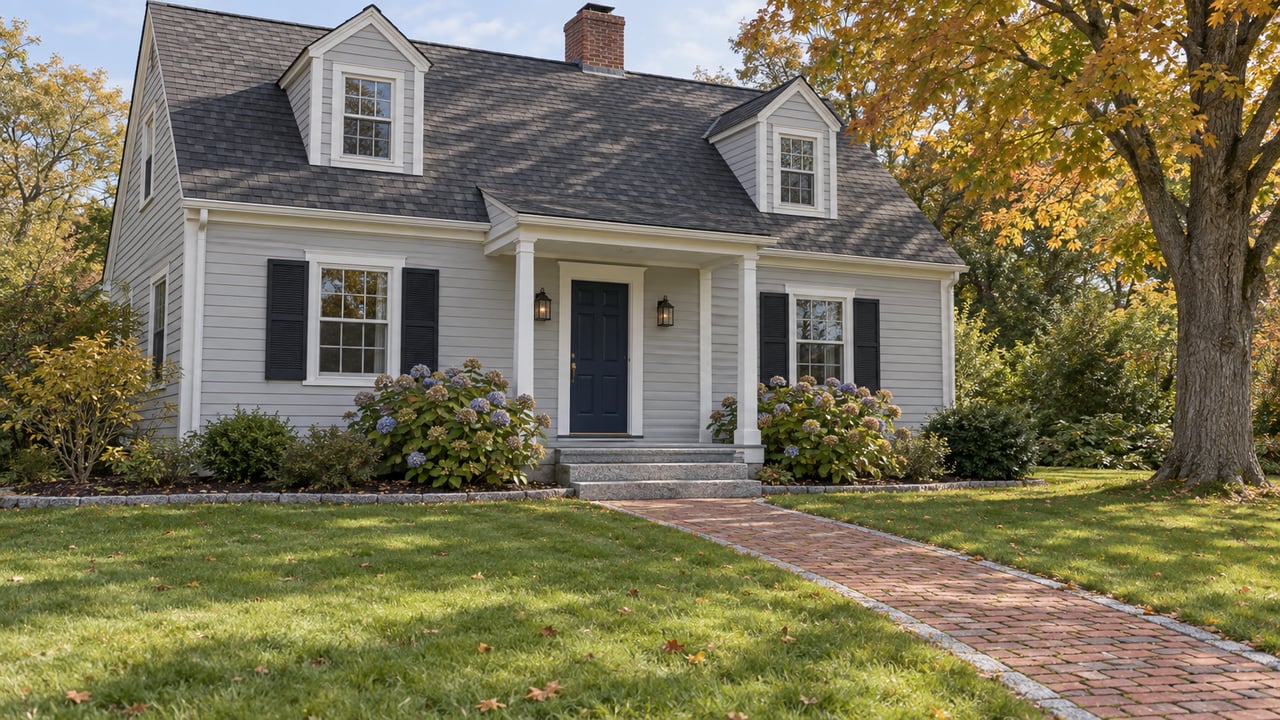
Walk three blocks over into a converted Victorian or a classic triple-decker and you're in a different market entirely. Rentometer's recent tracking puts one-bedroom units across the city closer to $1,400, with two-bedrooms landing near $1,800. RentCafe's citywide average sits at $1,748. Zillow's rental tool pegs the all-bedroom average at $1,800 and describes the current rental market temperature as cool, meaning renter demand isn't running hot relative to the rest of the country.
Those aren't small rounding differences. Yarn Works rents at roughly a 30 to 70 percent premium over what the rest of the city's rental stock commands, depending on which tracker you check and which unit size you compare. That premium exists because Yarn Works isn't competing with triple-deckers. It's competing with market-rate apartment product anywhere in the region, priced for renters who want in-unit finishes, a fitness center, and professional management, not a 100-year-old two-family with a shared driveway.
Why the citywide average can't be trusted on its own
Here's where it gets more interesting for anyone underwriting a deal. Pull rent data from the same tracking service twice in one summer and you can get two different stories. One Zumper snapshot dated June 20, 2026 showed Fitchburg's average rent at $1,712, down 3 percent from the prior month and down 10 percent year over year. A separate Zumper page pulling August 2026 data showed rent down slightly month over month but up 5.8 percent year over year. Same platform, two different directional reads within a couple of months.
That kind of swing doesn't happen in a market moving in one clear direction. It happens when a single citywide average is blending two structurally different products, a legacy stock of two-to-eight-unit converted homes and a small but growing set of institutional-grade conversions, and the mix of what's listed in any given month shifts the blended number around. When a tracker samples a month with more Yarn Works-style listings, the average ticks up. When it samples a month heavier on older stock, it ticks down. The citywide figure isn't lying, but it's answering a question you didn't ask. It's telling you what the average unit rented for. It's not telling you what your unit will rent for.
The pipeline is about to get bigger
Yarn Works isn't a one-off. Downtown Fitchburg has another institutional-scale conversion working through the permitting process right now. Developer Paul Tocci purchased the former Santander Bank building at 280-288 Main Street for $1 million in a deal recorded with the Worcester Northern District Registry of Deeds, according to reporting from the Worcester Business Journal. The 32,000-square-foot building went up in 1897, cycled through a savings institution, law offices, and a barber shop over the decades, and has sat vacant since Santander moved out in 2019.
Tocci's plan converts the building into market-rate apartments with ground-floor office space. Public materials disagree slightly on the exact count. A January 2026 mayoral announcement cited 35 units, while the city planning board's own March 2026 notice listed the special permit application at 34 dwelling units. Either way, it's the same scale and the same playbook as Yarn Works: take a vacant, architecturally distinct downtown building and turn it into professionally managed housing priced above the neighborhood's legacy stock.
As of that March 2026 notice, the project was still moving through site plan review, having been continued from a prior meeting for lack of quorum. That matters for anyone touring or closing on property near Main Street this year. The city is also mid-upgrade on downtown utilities, with a Main Street water main project that began in 2024 and a sewer separation project that started in 2022, both anticipated to wrap up in 2026, according to the City of Fitchburg's own infrastructure updates. If you're scheduling inspections or walkthroughs downtown this fall, expect some construction noise and detours layered on top of the permitting activity.
What this means when you're pricing a deal
If you're evaluating a triple-decker or small multi-family in or near downtown Fitchburg, the two-tier market changes how you should run comps.
For a legacy triple-decker or converted Victorian, your realistic rent ceiling looks like the Rentometer and RentCafe numbers, not the Yarn Works listing price. A one-bedroom in a 1900s-era two-family isn't going to command $2,400 just because it's a mile from a building that does. Underwrite against buildings with a similar vintage, similar finish level, and similar management style.
For a stabilized, higher-rent play, the only real comps are other adaptive-reuse or newly renovated buildings, and you should expect competition from institutional operators like WinnCompanies, not individual landlords. That's a different buyer profile with different capital and different return expectations.
The arrival of more product like the Santander conversion is worth watching less because it changes what your unit rents for tomorrow and more because it's a leading indicator. New institutional capital choosing to convert a 129-year-old bank building into housing is a vote of confidence in the downtown's long-term trajectory. It doesn't mean your triple-decker's rent jumps next quarter. It does mean the neighborhood is attracting the kind of investment that tends to lift comps over a longer horizon, provided the permitting and construction work actually finishes on schedule.
Frequently Asked Questions
Does the arrival of Yarn Works and the Santander Bank conversion mean rents will rise for older triple-deckers too? Not immediately, and not automatically. These projects add supply in a different price tier than most of the city's existing rental stock. Over time, sustained institutional investment in a downtown tends to support values in the surrounding area, but it's a slow signal, not a switch that flips your current tenant's rent up next month.
Should I expect construction disruption if I'm touring or closing on downtown Fitchburg property this year? Likely yes in some form. The city's Main Street utility work and sewer separation project are both targeting 2026 completion, and the Santander building project was still in active permitting as of March 2026. Build in some flexibility around access and noise if your target property sits close to Main Street.
How do I know which rent tier a specific building belongs to before I write an offer? Look at the building's vintage, the level of renovation, and who manages it. Professionally managed adaptive-reuse buildings like Yarn Works belong in one tier. Owner-managed triple-deckers and converted two-to-four unit homes belong in another. Comp against the right one and your numbers will hold up under a lender's or an appraiser's scrutiny.
If you're weighing a multi-family purchase in Fitchburg and want comps pulled against the right tier, not just a citywide average that's blending two different markets, Doug Tammelin has spent years underwriting deals across Central Massachusetts and can walk through what a specific building is actually worth to you. Get your instant home valuation to start the conversation.