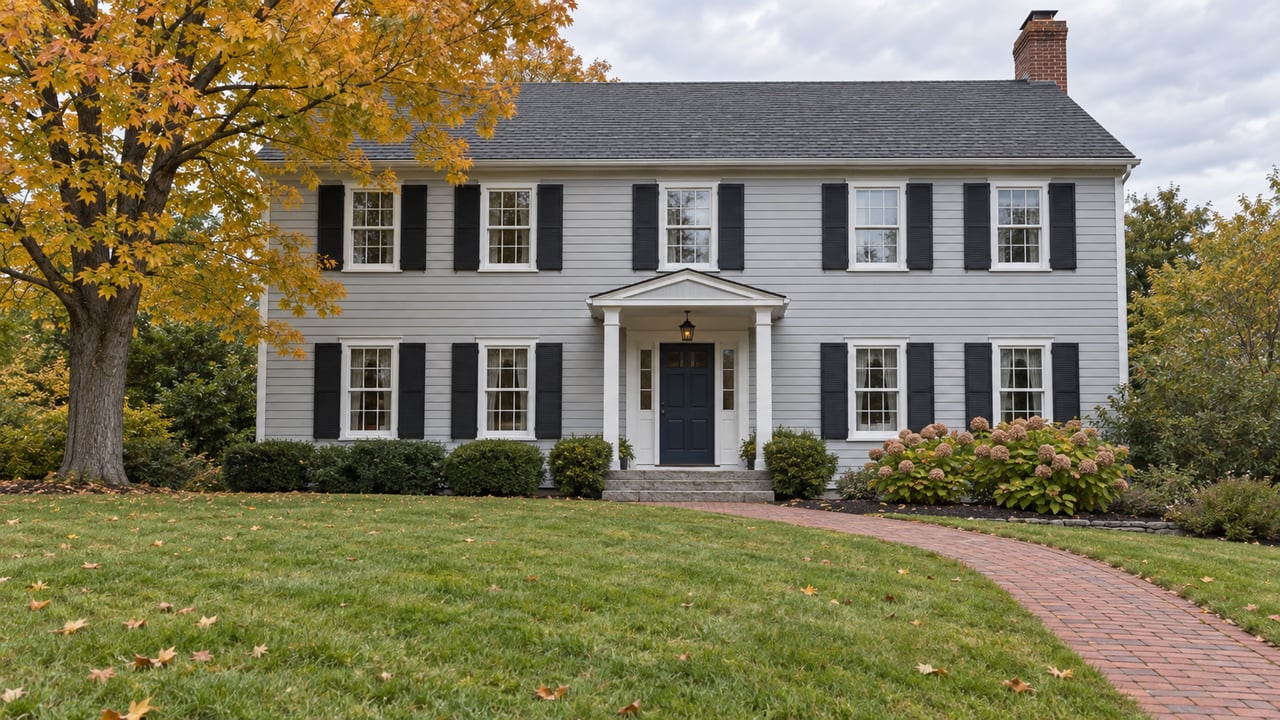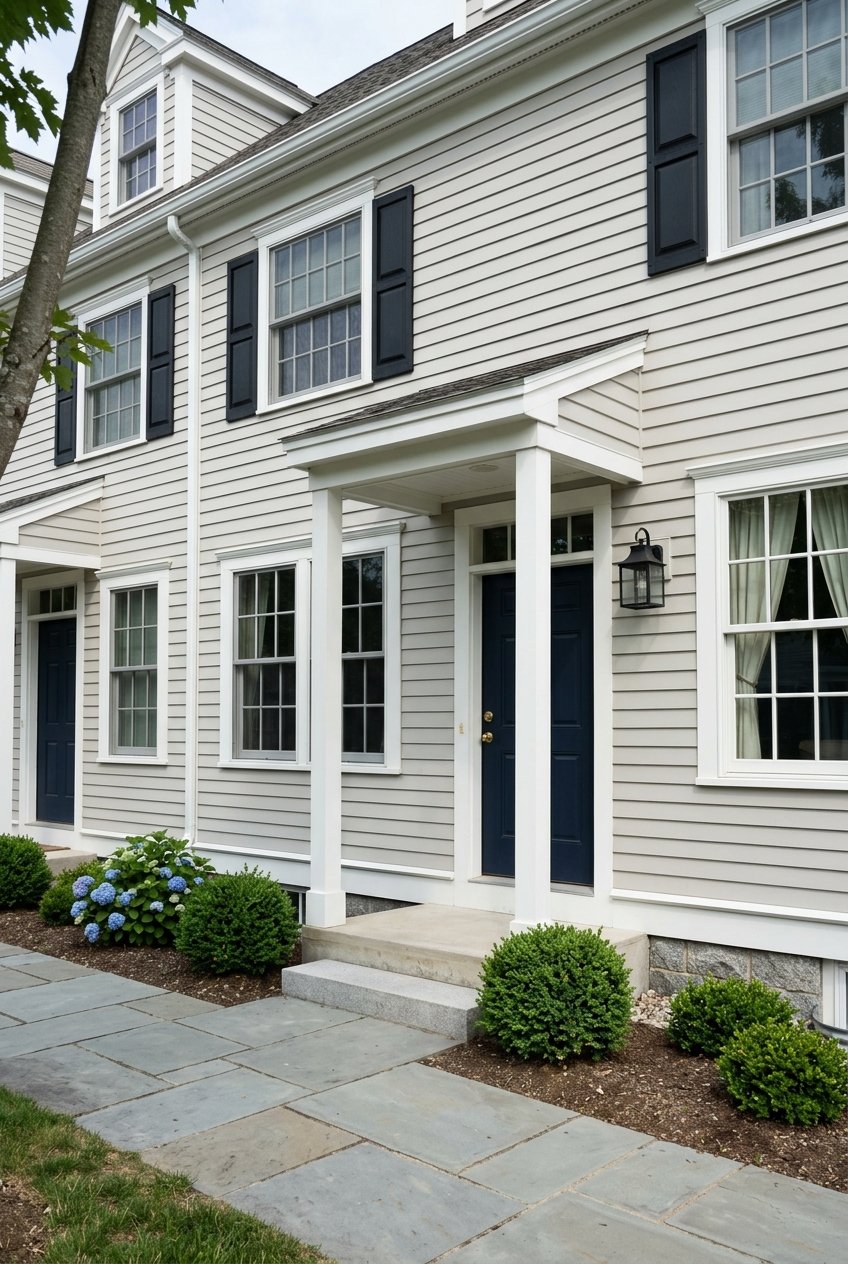
Thinking about buying a condo or townhome in Fitchburg? If you want a home with less exterior upkeep, a lower entry price than many single-family options, and access to commuter routes and city amenities, this part of the market deserves a close look. The key is knowing what you are really buying, what the monthly fees cover, and how to spot the differences between a smooth ownership experience and a frustrating one. Let’s dive in.
Why Fitchburg condos and townhomes draw buyers
Fitchburg offers a practical option for buyers who want homeownership without taking on every outdoor chore themselves. In current listings, condos range from about $194,900 to $540,000, while townhome-style listings range from about $325,000 to $365,000. That can create a lower entry point compared with Zillow’s reported average Fitchburg home value of $407,825 as of May 31, 2026.
This is also a market that moves quickly. Zillow reports homes in Fitchburg going pending in about 12 days, with 75 homes for sale and a median sale price of $399,167 in April 2026. If you are shopping in this segment, it helps to be financially prepared and ready to review documents early.
For many buyers, the appeal is simple. You may get a lower-maintenance lifestyle, shared exterior care, and a price point that can feel more approachable than other ownership options in the city.
Condo vs townhome in Fitchburg
Here is one of the most important things to know: in Fitchburg, the word townhome often describes a building style, not the legal ownership structure. Some properties marketed as townhomes are legally condominiums. That means you should confirm the legal form of ownership before you assume you are buying a fee-simple property with no association structure.
Why does that matter? Because ownership structure affects your monthly costs, maintenance responsibilities, insurance needs, and use restrictions. A home that looks like a townhouse from the street may still come with condo documents, common-area rules, and HOA fees.
Before you make an offer, ask for clarity on:
- Whether the property is legally a condominium
- What parts of the property you own outright
- What areas are considered common elements
- Who handles exterior repairs and replacements
- Whether there are rental, pet, parking, or storage restrictions
What HOA fees may cover
One of the biggest questions buyers ask is whether the HOA fee is worth it. In recent Fitchburg examples, monthly HOA fees ranged from about $150 to $435. That is a wide spread, so it is smart to compare the fee with the services included instead of looking at the number alone.
Current listings show that fees may cover items such as:
- Master insurance
- Structure maintenance
- Grounds maintenance
- Snow removal
- Trash service
- Road maintenance
- Water
- Sewer
- Hot water
For example, one current Fitchburg listing includes water, sewer, insurance, structure maintenance, grounds maintenance, and snow removal. Other listings include road maintenance and trash. The point is simple: every association is different.
Why the monthly fee is only part of affordability
A condo or townhome can look affordable at first glance, but your real monthly picture includes more than the mortgage. In addition to your loan payment, you may be paying HOA dues, property taxes, utilities not covered by the association, and your own unit insurance policy.
Massachusetts guidance also notes that condo fees are based on the annual budget and are usually paid monthly. On top of that, associations can charge special assessments when a major capital item needs replacement and the regular budget or reserves are not enough. That means a low monthly fee is not automatically a better deal if the reserve planning is weak.
When you compare properties, look at the full carrying cost, not just the list price. A slightly higher fee may provide more predictable maintenance coverage, while a lower fee may leave more expenses exposed later.
Documents you should review before buying
When you buy a condo or townhome with an association structure, the documents matter almost as much as the home itself. In Massachusetts, the association is the operating structure for the property, and its records can tell you a lot about how the community is run.
At a minimum, ask to review these items:
Master deed
The master deed defines the condominium, common areas, each unit’s percentage interest, and core restrictions or protections tied to the property. This document helps you understand what is private, what is shared, and what rules travel with ownership.
Declaration of trust or bylaws
These documents explain how the association functions. They typically cover board authority, maintenance duties, common-expense allocation, insurance requirements, reserve funds, and voting and meeting rules.
Rules and regulations
These cover day-to-day living issues. You may see rules related to pets, smoking, noise, trash disposal, signage, and tenant occupancy. If you think you may rent the property in the future, make sure you ask about tenant rules and rental limits.
Budget and financial records
Ask for the current budget, reserve information, recent meeting minutes, work contracts, insurance policies, and any known or pending special assessments. This review can help you spot whether the association appears proactive or whether deferred costs may be building.
Transfer restrictions
Some Massachusetts condo documents include a right of first refusal or other transfer restrictions. These details should be checked carefully so you understand whether the association has any role in the sale process.
If the seller does not have the full document package, recorded documents such as the master deed and declaration of trust can be pulled from the local Registry of Deeds. For legal interpretation of condo documents and Massachusetts Chapter 183A issues, state guidance says buyers should consult a real estate attorney.
Insurance questions to ask early
Insurance is another area where buyers can get surprised if they do not ask enough questions. Condo associations usually carry a master policy that covers the building and common elements, but that does not mean you are fully covered as a unit owner.
Massachusetts guidance says unit owners still need HO-6 coverage for what the association policy does not cover. Association agreements may also allow additional assessments after a loss. Before closing, ask what the master policy covers, what your personal policy needs to cover, and whether there are any deductibles or loss-allocation rules that could affect your costs.
Fitchburg lifestyle factors to consider
For the right buyer, a condo or townhome in Fitchburg can be a strong lifestyle match. The city has two commuter rail stations, one downtown and one in West Fitchburg, with direct access to North Station in Boston. If you want lower-maintenance ownership but still need regional access, that is a meaningful advantage.
Fitchburg also offers a substantial amount of public green space. City sources describe Coggshall Park as more than 350 acres with trails, Mirror Lake, picnic areas, a playground, a gazebo, and an 18-hole disc golf course. The city’s Parks Division also maintains more than 400 acres across 46 parcels, which adds outdoor options for residents who value access to open space.
These factors do not make every property a fit, but they do help explain why some buyers see Fitchburg condos and townhomes as a practical balance of ownership, convenience, and local access.
Who this type of home fits best
Condos and townhomes often work well if you want less exterior maintenance and more predictable shared services. They can be especially appealing if you are a first-time buyer, a downsizer, or someone who prefers not to handle snow removal, landscaping, and some exterior repairs yourself.
They may be less ideal if you want maximum control over the property. Shared ownership structures come with rules, fees, and limits that can affect pets, parking, storage, future rentals, and exterior changes. The more important flexibility is to you, the more carefully you should review the association setup.
Smart questions to ask before you offer
Before you move forward on a Fitchburg condo or townhome, use a checklist like this:
- Is this legally a condominium or another ownership type?
- What is the monthly HOA fee?
- What exactly does the fee cover?
- Are there any special assessments now or planned?
- How much money is in reserves?
- Who is responsible for roofs, siding, windows, decks, and exterior systems?
- Are there rules on pets, parking, smoking, storage, or trash?
- Are rentals allowed, capped, or restricted?
- What insurance does the association carry?
- What insurance will you need as the unit owner?
- Are there recent meeting minutes that show upcoming repairs or disputes?
A few clear answers upfront can save you from expensive surprises later.
Buying with more confidence in Fitchburg
The Fitchburg condo and townhome market can offer a smart path into homeownership, especially if you value lower upkeep and want options that may come in below the city’s overall average home value. But this is not a purchase where you want to rely on curb appeal alone. The real value is in understanding the ownership structure, reviewing the documents, and measuring the full monthly cost.
If you want help comparing Fitchburg condos, reviewing tradeoffs, and understanding how a property fits your goals in Central Massachusetts, connect with Doug Tammelin. He brings local market knowledge, hands-on guidance, and a practical approach to helping you buy with confidence.
FAQs
What is the difference between a condo and a townhome in Fitchburg?
- In Fitchburg, townhome often describes the style of the home, while the legal ownership structure may still be a condominium. You should confirm the legal form of ownership before you buy.
What do HOA fees usually cover for Fitchburg condos?
- Current Fitchburg listings show HOA fees may cover insurance, structure maintenance, grounds maintenance, snow removal, trash, road maintenance, water, sewer, or hot water, but coverage varies by association.
How much are condo HOA fees in Fitchburg?
- Recent listing examples show monthly HOA fees ranging from about $150 to $435, depending on the property and services included.
Are Fitchburg condos a good option for first-time buyers?
- They can be a practical option for first-time buyers who want a lower-maintenance ownership style and a possible entry price below some other housing options, but document review and total monthly cost are still critical.
What condo documents should buyers review in Massachusetts?
- Buyers should review the master deed, declaration of trust or bylaws, rules and regulations, budget, reserve information, meeting minutes, insurance policies, work contracts, and any special assessment information.
Do you need separate insurance for a Fitchburg condo unit?
- Yes. Massachusetts guidance says associations usually carry a master policy for the building and common elements, but unit owners still typically need HO-6 coverage for what the association policy does not cover.