If you plan to sell in Fitchburg, the work you do before your home hits the market can shape how quickly it sells and how smoothly your deal comes together. In a market where homes are moving fast and inventory remains relatively tight, buyers still notice condition, presentation, and whether a seller is prepared for Massachusetts requirements. The good news is that you do not need to do everything at once. You just need to focus on the right tasks in the right order. Let’s dive in.
Start With Fitchburg Market Timing
Fitchburg sellers are entering a market with solid demand. According to Redfin’s Fitchburg housing market data, homes receive about two offers and sell in around 26 days. Zillow also reported about 65 homes for sale in Fitchburg as of March 31, 2026, with homes going pending in about 26 days, while the Massachusetts Association of Realtors showed 1.2 months of inventory and sellers receiving 99.3% of original list price.
That does not mean you can skip preparation. Fast-moving markets tend to reward homes that are clean, well presented, and priced with discipline. They also punish homes with visible deferred maintenance or missing paperwork because buyers know they have options.
Seasonal timing still matters, but preparation matters just as much. Zillow’s 2026 timing research notes that spring remains the classic high season and that many sellers need one month or less to get their home ready, while most begin thinking about selling three to four months before listing. For you, the takeaway is simple: if you want to list in spring or early summer, start preparing well ahead of your ideal go-live date.
Handle Safety And Compliance First
Before you spend money on cosmetics, make sure your home is ready for the legal and practical requirements that can affect a sale in Massachusetts. These items are not the glamorous part of listing prep, but they are often the most important.
Schedule Smoke And CO Compliance Early
In Fitchburg, sellers should plan ahead for the local smoke and carbon monoxide certification process. The City of Fitchburg Fire Prevention Bureau says you should contact the office at least two weeks before closing, and the certificate of compliance is valid for 60 days.
This is one of the easiest items to leave too late. If your home is transfer-ready, it must have hard-wired photoelectric smoke detectors with battery backup, and ionized detectors are not allowed. Mass.gov also notes that expired battery-powered smoke alarms older than 10 years must be replaced with sealed 10-year photoelectric alarms.
Prepare For Massachusetts Inspection Rules
Massachusetts updated its home inspection rules effective October 15, 2025. Under 760 CMR 74.00, sellers of certain residential properties cannot condition acceptance on a buyer waiving a home inspection, and they cannot accept offers from buyers who state they intend to waive inspection. Mass.gov also says the seller must provide the MA Mandatory Residential Home Inspection Disclosure before entering into a contract.
In practical terms, you should expect a buyer inspection to be part of the process. That makes visible maintenance issues, safety concerns, and documentation even more important before you list.
Gather Lead Paint Documents If Applicable
If your home was built before 1978, lead paint documentation needs to be on your checklist. Massachusetts and federal rules require sellers of pre-1978 homes to provide the Property Transfer Lead Paint Notification before signing a purchase and sale agreement, along with any existing lead reports, letters of compliance, or interim control documents when available.
This matters in Fitchburg because the city has a relatively old housing stock. The research shows that just over half of Fitchburg housing units were built before World War II, which means many local sellers may need to address this early. If lead-related work was done in the past, checking the state’s lead history database before listing can help you avoid delays later.
Check Septic Requirements If You Have One
If your property is served by a septic system, Title 5 may apply. According to Mass.gov’s Title 5 guidance, septic systems should be inspected when buying or selling a home, and in some cases weather can delay the inspection until up to six months after the sale if proper written notice is given to the buyer.
If your home has septic, do not wait until you are under contract to figure out the timeline. This is one of those details that can affect scheduling, negotiation, and buyer confidence.
Fix What Buyers Will Notice
Once the compliance items are underway, focus on the repairs that are most likely to affect showings, offers, and inspection negotiations. You do not need to remodel the whole house. You do need to be realistic about what stands out.
According to the National Association of Realtors consumer guide on preparing to sell, sellers should get cost estimates for major items like a roof, HVAC system, or appliances that may need replacement, even if they do not plan to fix them before listing. Buyers will factor those costs into their offer.
A smart rule is to fix issues that are clearly visible, create doubt, or suggest poor maintenance. Examples include:
- Leaky faucets or running toilets
- Cracked switch plates or nonworking light fixtures
- Damaged trim, loose railings, or sticking doors
- Peeling paint or stained ceilings
- Broken window seals or torn screens
- Obvious exterior neglect near the entry
Large, expensive remodels are usually harder to justify right before listing unless they solve a true problem. The same NAR guidance and Zillow’s seller prep advice both support the idea that smaller, high-visibility fixes often make more sense than a major last-minute renovation.
Deep Clean And Declutter Before Anything Else
A clean home feels better maintained, photographs better, and helps buyers focus on the space instead of your stuff. This is one of the highest-return steps you can take before listing.
NAR recommends cleaning windows, carpets, lighting fixtures, and walls, while also storing away clutter and improving first impressions inside and out. If you only have room in your budget for a few prep tasks, deep cleaning and decluttering should be near the top of the list.
As you prepare, aim to remove distractions rather than personality. Clear counters, reduce overloaded shelves, organize closets, and put away excess furniture if rooms feel tight. Buyers are trying to picture how the home functions, and too much visual noise gets in the way.
Stage The Rooms That Matter Most
You do not need magazine-perfect staging to make a strong impression. You do need to highlight the spaces buyers care about most.
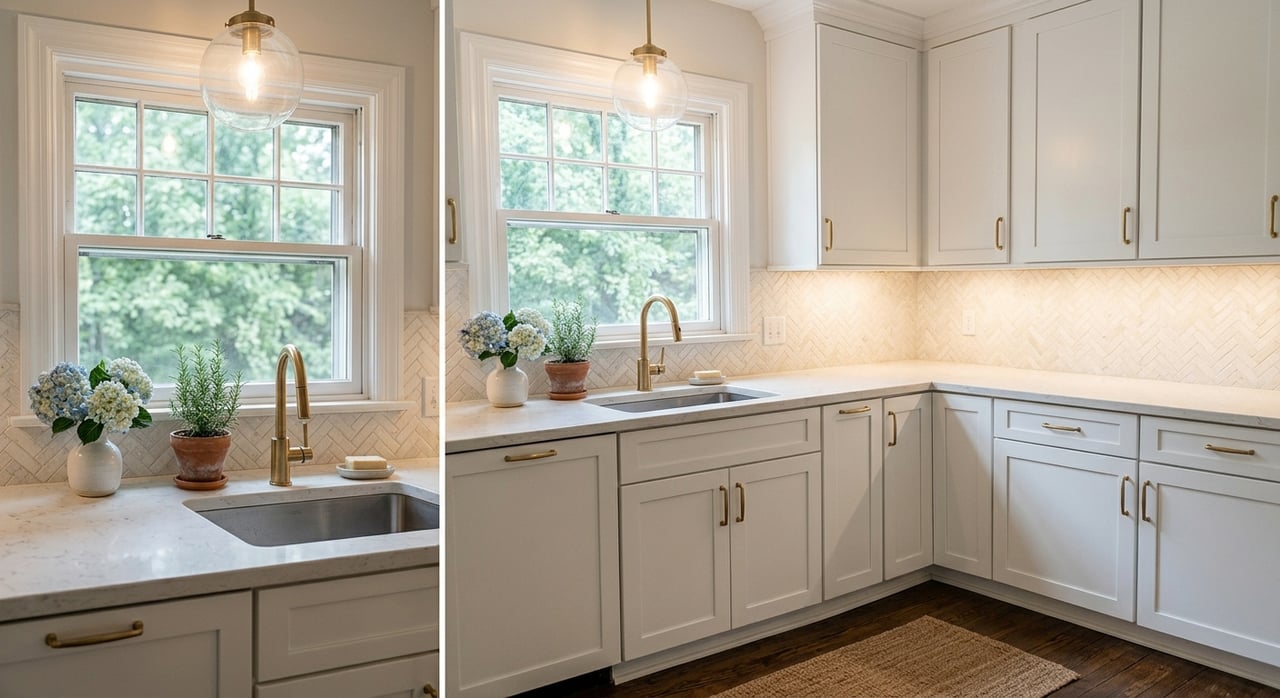
The NAR 2025 Profile of Home Staging found that 83% of buyers’ agents said staging makes it easier for buyers to visualize a home as their future home. The report also found that 17% said staging increased the dollar value offered by 1% to 5%.
NAR also identified the most important rooms to stage:
- Living room
- Primary bedroom
- Kitchen
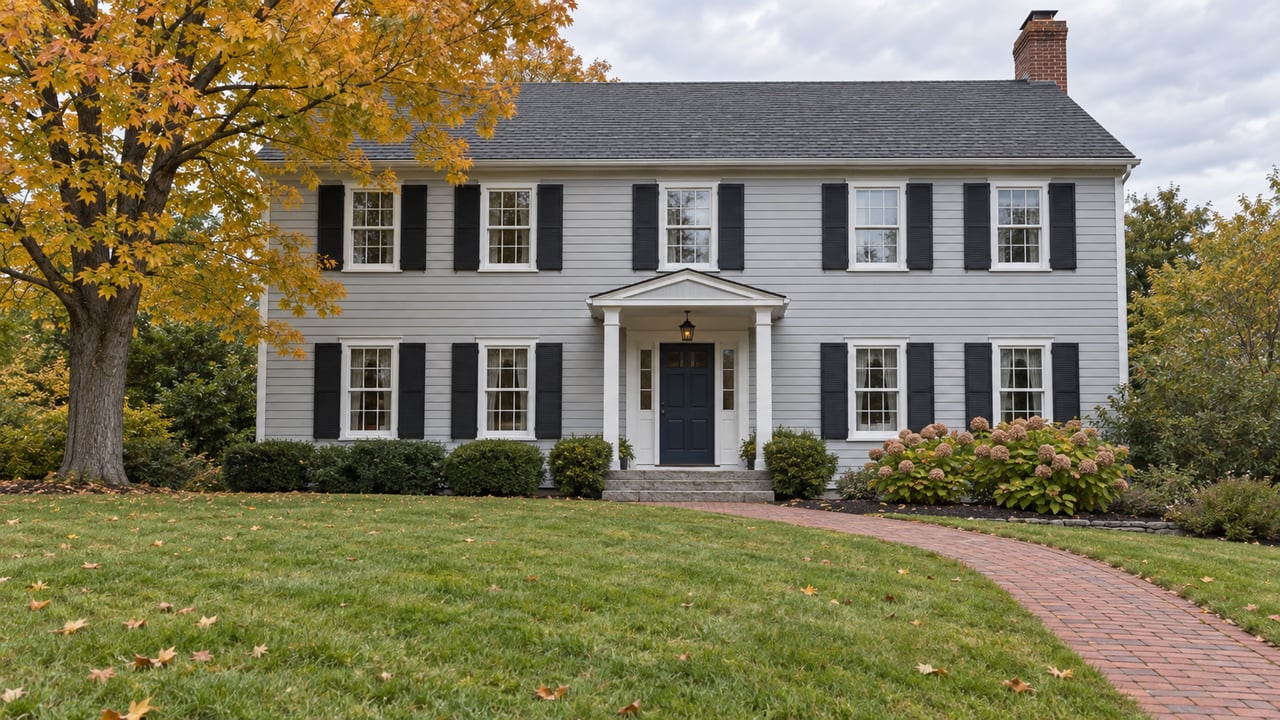
For most Fitchburg sellers, I would add the front entry and exterior to that priority list because those spaces shape the first impression before buyers even step inside. If your budget is limited, focus your effort there instead of trying to perfect every single room.
Improve Curb Appeal Last
Curb appeal does not have to mean a full landscape overhaul. It means making sure the exterior feels tidy, maintained, and welcoming.
NAR’s seller guidance recommends improving curb appeal through landscaping, the front entrance, and paint. In practical terms, that can include:
- Mowing and edging the lawn
- Trimming overgrown shrubs
- Refreshing mulch if needed
- Sweeping walkways and porches
- Touching up worn paint at the front door or trim
- Replacing a tired doormat or house numbers
These are modest changes, but they matter because buyers often decide how they feel about a home in the first few moments of a showing.
Consider A Pre-List Inspection
A pre-list home inspection is optional in Massachusetts, not required. Still, it can be useful if you want fewer surprises and a clearer pricing strategy.
NAR notes that a pre-sale inspection can identify issues with structure, roofing, plumbing, electrical, heating and cooling, interiors, ventilation, insulation, fireplaces, and sometimes mold, radon gas, lead paint, and asbestos. Mass.gov also explains that a home inspection is a visual examination of readily accessible exposed areas, so it should be viewed as a screening tool, not a guarantee.
For some sellers, a pre-list inspection is especially helpful if the home is older, has deferred maintenance, or has systems that may become a negotiation point. It can help you decide what to fix, what to disclose, and where to price the home more confidently.
Use A Simple Pre-Listing Priority Plan
If you want a practical order of operations, this is the sequence that makes the most sense for many Fitchburg sellers:
- Handle safety and compliance first: smoke and CO items, lead paint paperwork for pre-1978 homes, and septic requirements if applicable.
- Fix visible defects next: focus on issues buyers will notice during showings or inspections.
- Deep clean and declutter: create a cleaner visual impression online and in person.
- Stage key rooms: prioritize the living room, primary bedroom, kitchen, front entry, and exterior.
- Finish with curb appeal and documents: gather warranties, guarantees, appliance manuals, and any related records.
- Consider a pre-list inspection: especially if you want fewer surprises during escrow.
This approach keeps you from overspending on the wrong items and helps you stay focused on what actually supports a smoother sale.
A Better Listing Starts Before Day One
In Fitchburg, strong demand can create opportunity, but preparation still drives results. When you take care of compliance items early, fix the defects buyers will notice, clean thoroughly, and present the home well, you give yourself a better chance at stronger offers and fewer avoidable delays.
If you are getting ready to sell and want a practical plan based on your home, timing, and budget, connect with Doug Tammelin. You will get straightforward guidance, local market insight, and hands-on support to help you prepare with confidence.
FAQs
What should Fitchburg sellers fix before listing a home?
- Focus first on safety and compliance items, then visible defects and maintenance issues that buyers will notice during showings or inspections, such as leaks, broken fixtures, peeling paint, or damaged trim.
How early should Fitchburg sellers schedule smoke and carbon monoxide certification?
- The City of Fitchburg says sellers should contact the Fire Prevention Bureau at least two weeks before closing, and the certificate is valid for 60 days.
Is a pre-sale home inspection required for sellers in Massachusetts?
- No. A pre-list inspection is optional, but it can help you identify issues before a buyer’s inspection and reduce surprises during the transaction.
What lead paint documents do Fitchburg sellers need for older homes?
- If the home was built before 1978, sellers must provide the Property Transfer Lead Paint Notification and include any existing lead reports, letters of compliance, or interim control documents when available.
Is spring the best time to list a home in Fitchburg?
- Spring is still the classic high season according to Zillow research, but current market speed and your level of preparation can matter just as much as the exact week you choose to list.
What documents should sellers gather before listing a Fitchburg home?
- Gather lead paint records if applicable, smoke and CO compliance information, septic records if applicable, plus warranties, guarantees, and appliance manuals that can help support a smoother transaction.