Wondering why one part of Leominster feels historic and walkable while another feels more suburban or commuter-focused? That is one of the most important things to understand before you buy here. When you know how home styles, lot patterns, and neighborhood layout tend to vary across Leominster, you can narrow your search faster and make more confident decisions. Let’s dive in.
Why Leominster Feels So Varied
Leominster is not a one-note housing market. City materials describe a historic downtown core, a commuter-oriented North Leominster area, and western and southern sections shaped by open space, trails, hills, and reservoirs. That gives you several different living experiences within one city.
The housing stock helps explain that variety. A local housing report says 29% of homes were built before 1939, 16% were built from 1940 to 1959, and 26% were built from 1960 to 1979. With so much of the city built before 1980, you are likely to see a broad mix of older New England homes, mid-century layouts, and later subdivision-style properties.
Leominster also has a mix of ownership and housing types. Census QuickFacts shows a 62.9% owner-occupied rate, and local housing data identifies single-family detached homes as the largest category while also showing a meaningful share of multifamily and converted homes. In practical terms, that means your options may range from a classic detached home to a two-family property or townhouse-style setting depending on where you look.
Common Home Styles in Leominster
Because official city data does not label homes by style, the most common types are an informed read based on age, structure mix, and development pattern. Still, the overall picture is clear enough to help guide your search.
Older Capes and Colonials
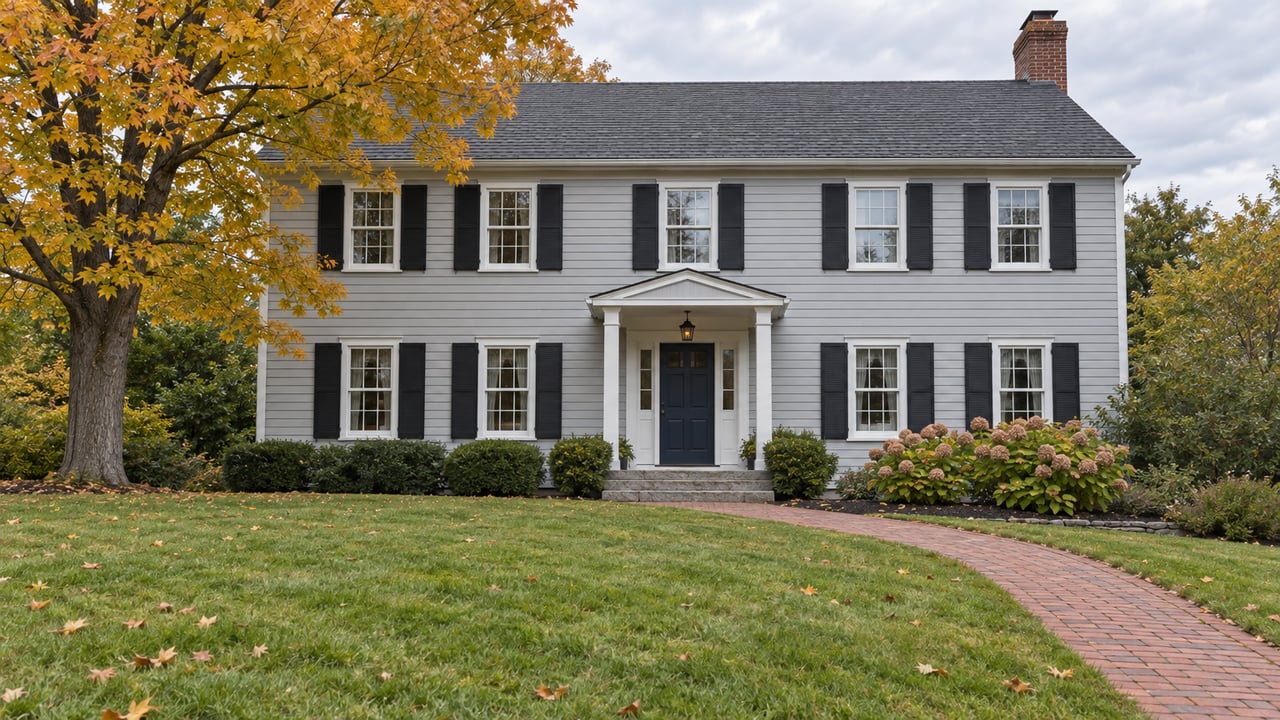
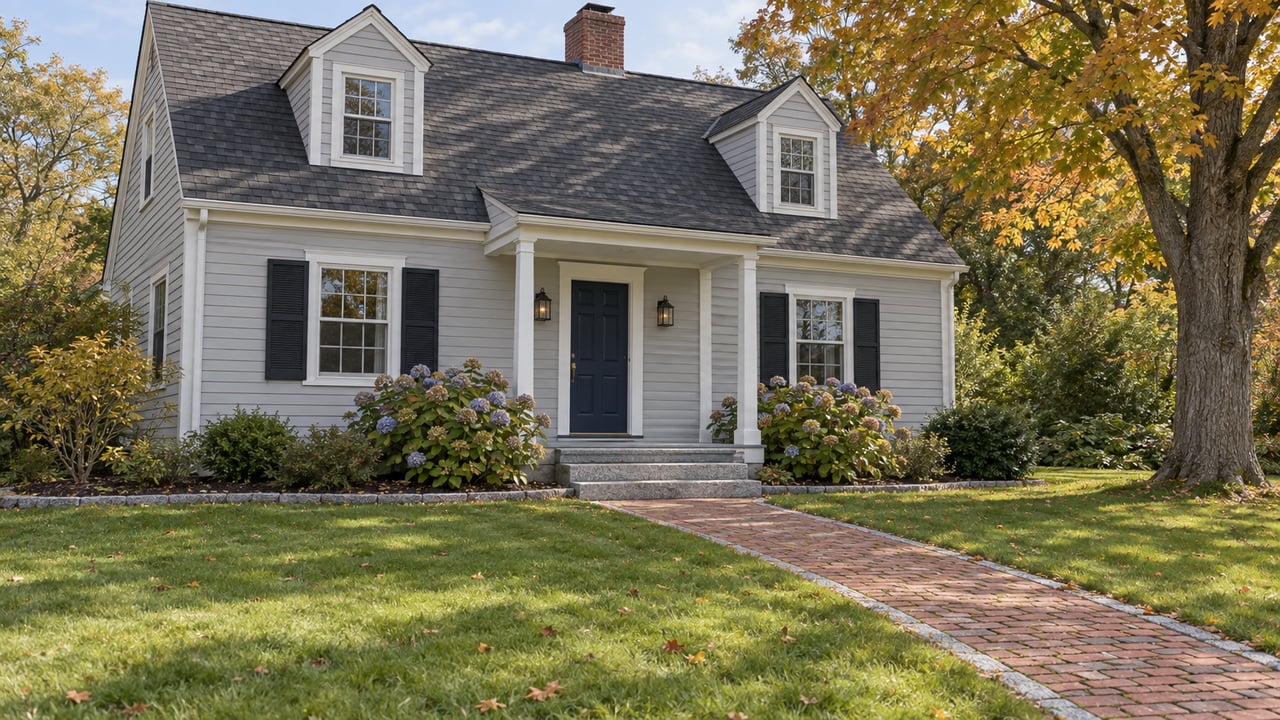
In older parts of Leominster, you will often come across homes that fit the classic New England cape or colonial pattern. These are more likely in long-established blocks closer to the historic core, where the housing stock trends older.
For buyers, that often means more traditional floor plans, mature streetscapes, and homes that may have more character features but also more maintenance considerations. If you like established settings and older architecture, this part of the market may stand out to you.
Ranches and Raised Ranches
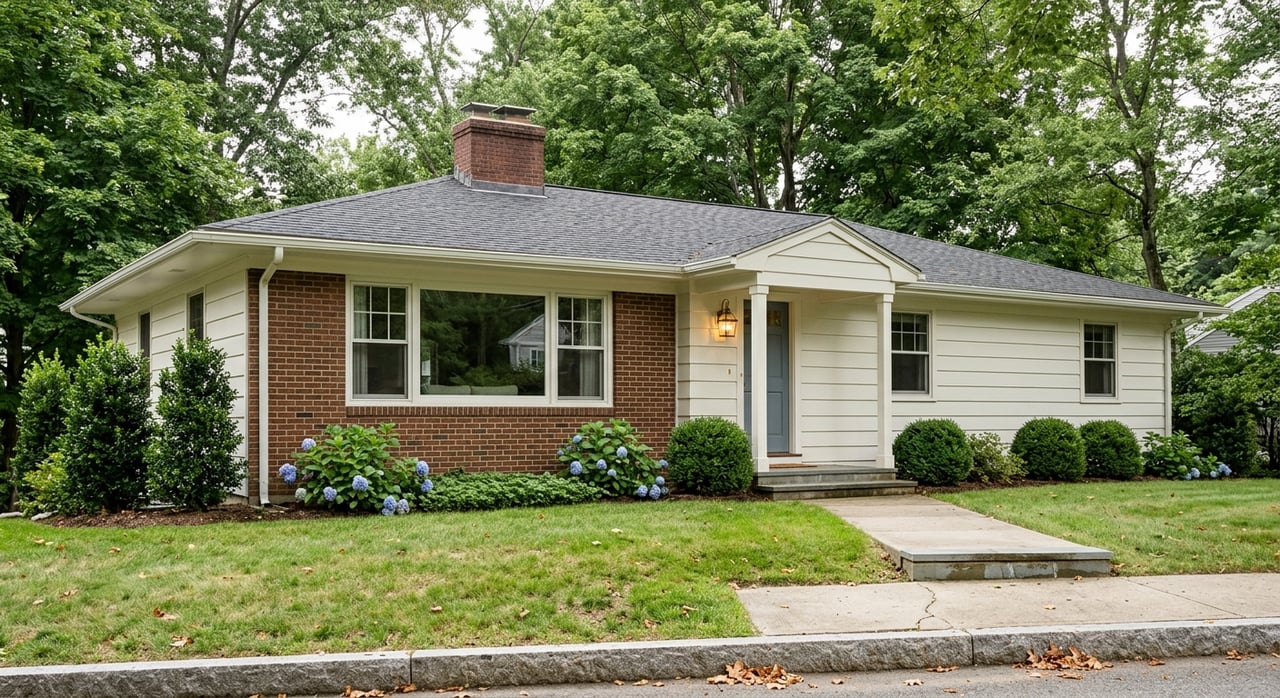
Homes built in the post-war and later subdivision eras often align more with ranch and raised ranch layouts. These are generally the kinds of homes buyers tend to encounter in areas shaped by 1960 to 1999 development patterns.
These homes can appeal to buyers who want a more straightforward layout, a suburban-established feel, or a little more separation from the denser core. Depending on the property, you may also find larger driveways, more off-street parking, or more typical subdivision lot patterns.
Two-Family and Multifamily Homes
Leominster also includes a sizable multifamily and converted-home share. In denser parts of the city, especially around the core, you may find two-family to multifamily buildings that offer a different ownership experience than a detached single-family home.
That matters whether you are buying a home to live in or thinking more like an investor. Doug Tammelin also works with multifamily buyers, landlords, and property management clients, so this side of the market can be especially relevant if you want flexibility or income potential.
Townhomes and Newer Multifamily Near Transit
Leominster’s zoning allows single-family, two-family, townhouse, and multifamily uses. The city also has a Multifamily Overlay District near the North Leominster commuter rail station, which suggests newer townhouse or multifamily product is more likely to cluster near that area over time.
That can be useful if you want lower-maintenance living or easy access to commuter infrastructure. It also tells you that not every part of Leominster is evolving in the same way.
Downtown Leominster and the City Core
Downtown Leominster has the city’s most historic and walkable feel. The city highlights local shops, bakeries, art galleries, restaurants, and a self-guided historic walking tour, which reinforces the idea of a more compact, mixed-use environment.
In and around downtown, you are more likely to find older housing stock, denser blocks, and a stronger mix of residential and commercial activity. Rockwell Village, a 14-unit townhome development in the heart of downtown, also adds to the area’s compact feel.
Price data points generally show the core coming in lower than some other parts of the city, though the sources use different metrics. Redfin reported a March 2026 median sale price of $368,000 for Downtown Leominster, while NeighborhoodScout showed a City Center median real estate price of $337,349. Realtor.com reported French Hill at a $449,800 median sale price.
If you are considering the core, think about more than just the price point. Older homes may need updates, and denser areas may come with different parking, lot size, or layout realities than you would see in more suburban sections.
North Leominster and Commuter Convenience
North Leominster is the city’s most commuter-oriented area. The city says the intermodal transportation center is on the MBTA commuter line in North Leominster, along Route 13, and within one mile of the Route 2 and I-190 junction.
That location shapes the neighborhood feel. It tends to attract buyers who want easier regional access while still living in Leominster, and local development patterns point to more transit-oriented multifamily growth near the station area.
Neighborhood data describes North Leominster as mostly medium-to-large single-family homes with apartment buildings, with many homes built between 1970 and 1999. It also carries one of the higher value markers in the city, with NeighborhoodScout reporting a median real estate price of $605,697. Realtor.com also showed a median listing price of $492,400 for North Leominster.
North Leominster can make sense if your priorities include commuting access, larger detached homes, or a mix of established housing and newer development pressure. The area also includes protected forests and wetlands, which adds another layer to how the setting feels compared with the downtown core.
South Leominster and an Established Suburban Feel
South Leominster tends to read as more suburban-established. The city highlights Sholan Farms and southern Monoosnoc trail access here, which gives the area a stronger open-space backdrop.
Housing in South Leominster is described as mostly medium-sized single-family homes and apartment complexes, with many homes built between 1970 and 1999. That points to a market that often feels more settled and less compact than the historic core.
NeighborhoodScout reported a median real estate price of $473,941 for South Leominster. If you want a balance between access, established neighborhoods, and nearby open space, this section of the city may be worth a closer look.
West Leominster and a Wooded Setting
West Leominster feels more wooded and topographic than many other parts of the city. According to the city, the west side includes granite hills, reservoirs, historical cellar holes, and a large trail network.
That physical landscape can shape everything from lot feel to neighborhood rhythm. In this part of Leominster, buyers may notice a lower-density environment and a stronger connection to outdoor space.
Current price snapshots suggest a mid-range position within the city, though again the metrics differ by source. Redfin showed a March 2026 median sale price of $445,000 for West Leominster, while Realtor.com showed a median listing price near $478,000.
If you are drawn to a more natural setting, West Leominster may feel very different from the city center or commuter-heavy north side. It is a good reminder that Leominster works best when you evaluate each section on its own terms.
What Price Differences Mean for Buyers
Citywide, the current market points to a mid-to-high-$400,000s baseline. Redfin reported a Leominster median sale price of $488,000 in March 2026, and Realtor.com showed a median listing price of $469,900 with 49 for-sale properties and a median 21 days on market.
The market also appears tight. The Massachusetts Association of Realtors’ March 2026 local market update showed 1.1 months of inventory for Leominster single-family homes and 101.1% of original list price received year-to-date. When inventory is that limited, small differences in location, condition, and home type can matter a lot.
For many buyers, Leominster offers three broad paths:
- Older core properties that may be more affordable but may need updates
- Mid-range capes, colonials, and ranches in established sections
- Higher-priced, larger detached homes in North Leominster
The best fit depends on how you balance budget, condition, commute, and the kind of setting you want day to day.
How to Read a Neighborhood Beyond Style
A home’s style is only part of the story. In Leominster, each section of the city can also signal different upkeep expectations, lot sizes, parking patterns, and renovation needs.
For example, older core properties may offer more historic character and lower entry pricing, but they may also involve updates over time. In lower-density or more suburban sections, you may find a different mix of lot size, layout, and privacy.
Leominster’s planning materials emphasize preserving rural and historic character while also allowing targeted infill and multifamily development. That means you should expect variety, not uniformity, across the city.
Why Local Guidance Matters
Because Leominster has multiple housing personalities, it helps to work with someone who understands how those differences show up on the ground. One block or one section can feel very different from another, even when the price points look close at first glance.
Doug Tammelin brings deep Leominster roots, a background in construction and finance, and experience across single-family, multifamily, rentals, and property management. That kind of practical market knowledge can help you compare not just listings, but the tradeoffs that come with each part of the city.
If you are trying to decide where you fit best in Leominster, the smartest next step is to match your budget and goals to the city’s distinct housing patterns. To start that conversation, connect with Doug Tammelin.
FAQs
What home styles are most common in Leominster, MA?
- Buyers in Leominster will often encounter older capes and colonials, ranches and raised ranches in later-built sections, and a meaningful share of two-family and multifamily homes.
What part of Leominster feels most walkable?
- Downtown Leominster has the city’s most historic and walkable feel, with shops, bakeries, galleries, restaurants, and a more compact mixed-use setting.
What part of Leominster is best for commuters?
- North Leominster is the most commuter-oriented area because it includes the MBTA commuter line station and is close to Route 13, Route 2, and I-190.
What does West Leominster feel like for homebuyers?
- West Leominster tends to feel more wooded and topographic, with granite hills, reservoirs, trail access, and a lower-density setting than the city core.
Are Leominster home prices the same across the city?
- No. Current data suggests the downtown and city center areas generally trend lower than North Leominster, while south and west sections often fall somewhere in the middle depending on the source and metric used.
Is Leominster a good place to look for multifamily properties?
- Leominster includes a sizable multifamily and converted-home share, and the city’s zoning allows two-family, townhouse, and multifamily uses, with additional multifamily focus near North Leominster station.