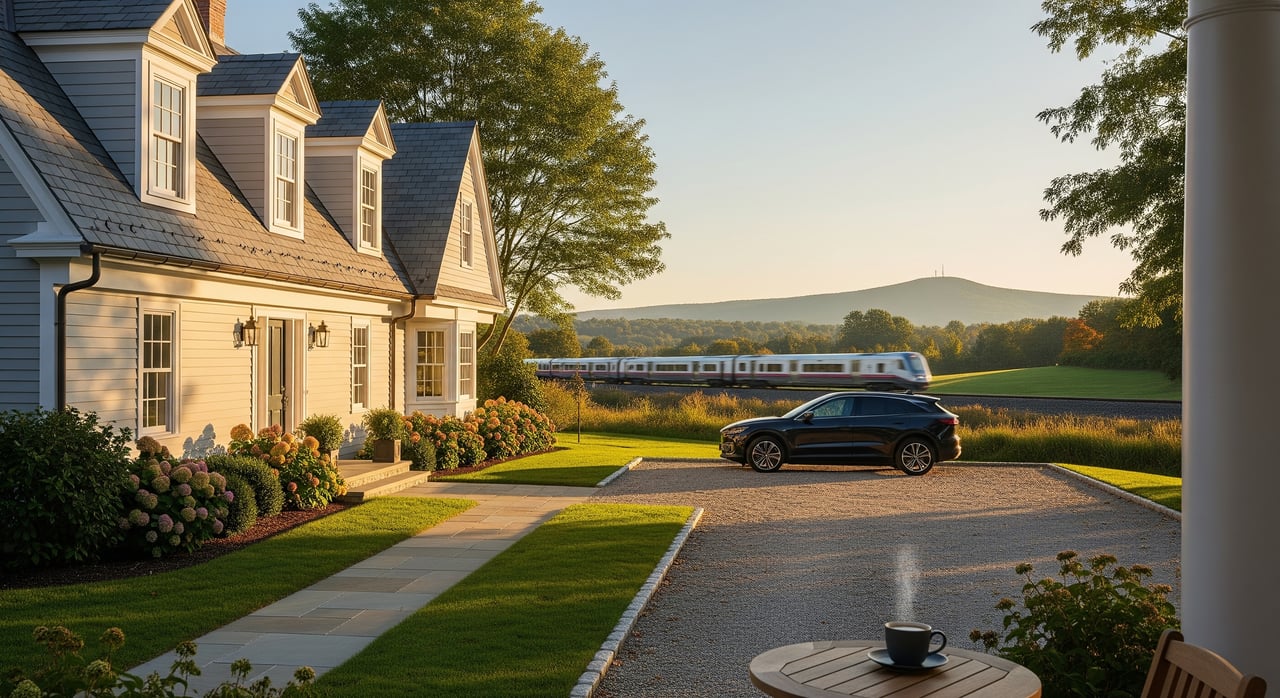
Thinking about relocating to Fitchburg and wondering how the commute will work to Cambridge, Newton, Framingham, or Worcester? You want a clear picture of transit options, realistic drive times, and what daily life feels like once you arrive. This guide gives you practical commute planning tips, neighborhood insights, and a 90-day checklist to help you settle in with confidence. Let’s dive in.
Fitchburg at a glance
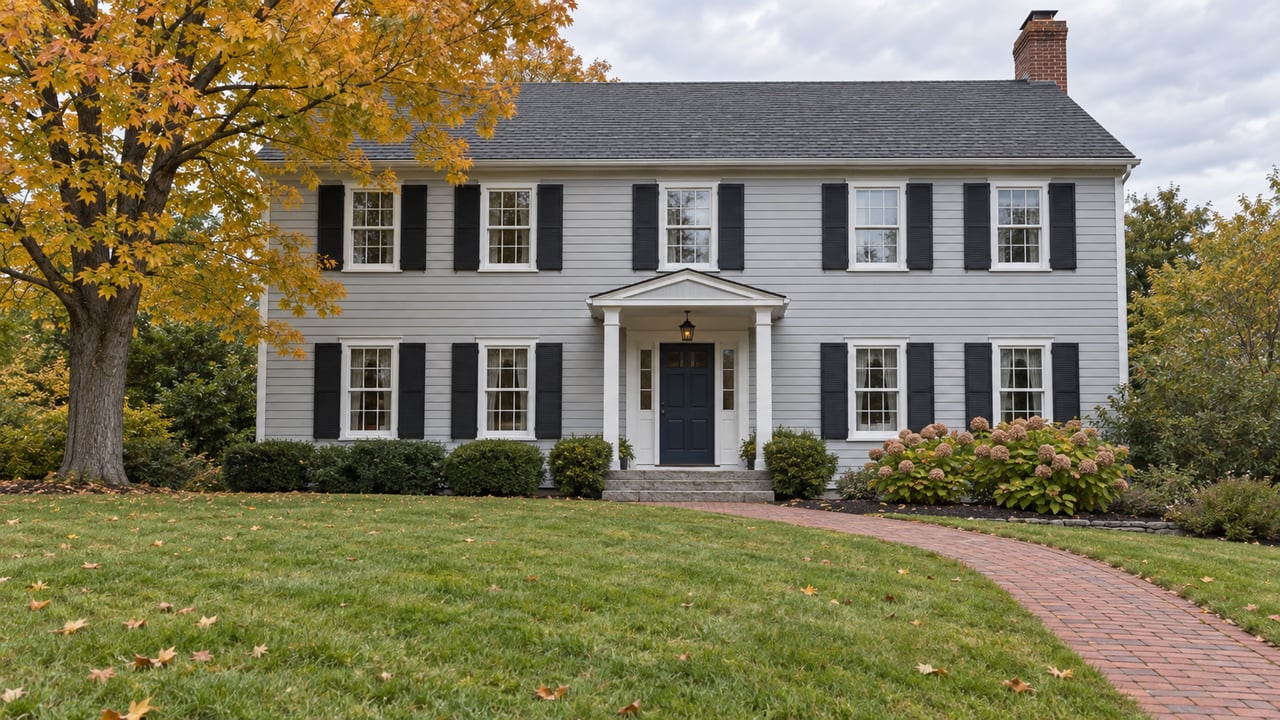
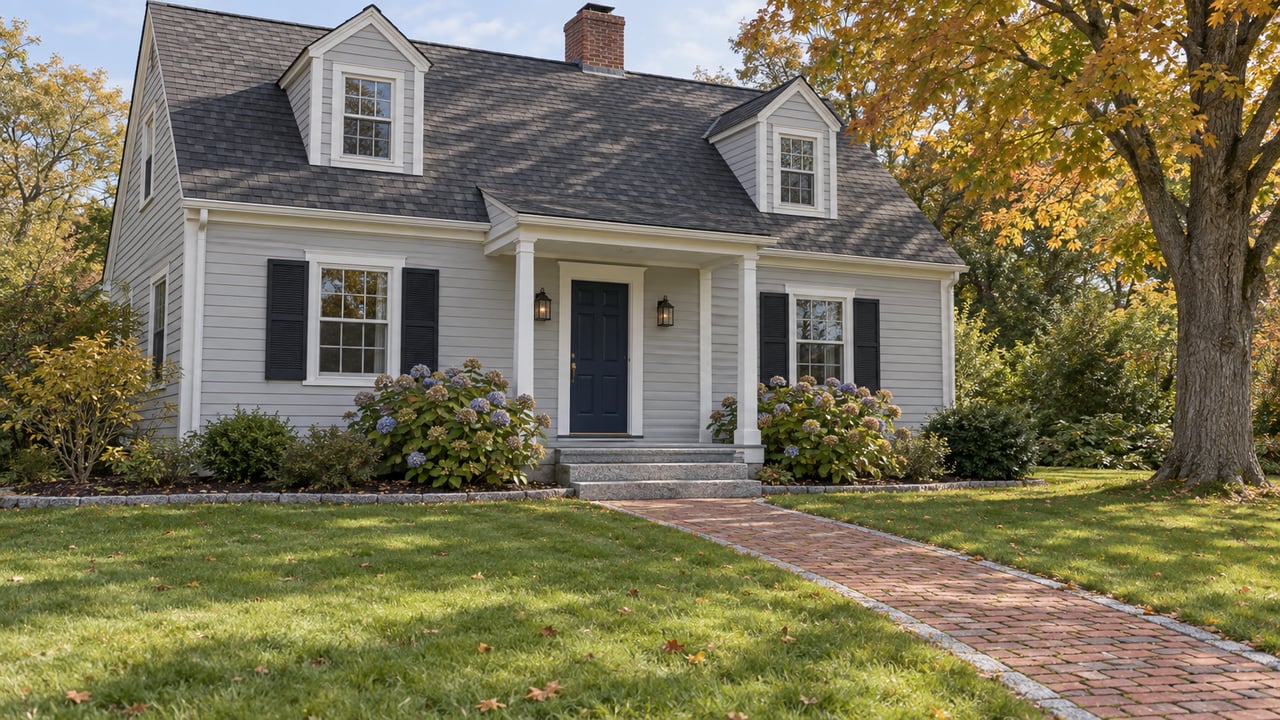
Fitchburg is a small Central Massachusetts city with a walkable downtown, mixed residential neighborhoods, and easy access to nearby Leominster. Many buyers focus on proximity to the MBTA station for Boston-bound rail service, highway access for daily driving, school assignment zones, and everyday conveniences like grocery stores, pharmacies, parks, and healthcare. A local college campus and arts venues add cultural energy, while riverfront areas and nearby forests support an active outdoor lifestyle.
MBTA Fitchburg Line: what to know
Fitchburg is the terminus of the MBTA Fitchburg Line, which provides direct commuter rail service to Boston’s North Station. If you work in Boston or transfer to the subway for Cambridge, this is your primary rail option.
Service is oriented to morning and evening peaks, with lower frequency midday and different weekend schedules. Trains can fill during peak periods, so boarding early or choosing an earlier train can help. Always confirm timing on the official MBTA Fitchburg Line schedules and fares before you go.
When your train arrives at North Station, you will transfer to the MBTA subway or bus to reach destinations like Kendall Square, Harvard, and other parts of Cambridge and Boston. Build in extra time for transfers and walking between platforms, especially at rush hour.
Commuter rail fares use a zone-based system. Monthly passes and multi-ride options can change, so check current pricing and the zone for Fitchburg on the MBTA site. Many stations offer park-and-ride lots with posted rules and fees. Parking policies and capacity can change, so verify the latest details on the MBTA site before you plan your routine.
Local buses and first-mile/last-mile options
The Montachusett Regional Transit Authority (MART) runs local bus service in Fitchburg with connections to nearby towns such as Leominster and Gardner. Review MART route maps and schedules for first-mile and last-mile options to and from the commuter rail.
Some employers run shuttles or support vanpools for longer commutes. If you work at a larger campus or office park, ask your HR or transportation office about commuter benefits and shuttle routes.
For the final stretch of a trip, consider biking, micromobility, rideshares, or local taxis. Walkability varies by neighborhood. Downtown generally offers shorter walks to shops and the station compared with outlying areas.
Driving to major job hubs
Key corridors include Route 2 for east–west travel, I-190 south toward Worcester and I-290, and state routes such as Route 12. Commute times vary with time of day, weather, and season, so use live navigation to gauge your exact route at your typical travel time.
Here are planning ranges to help you compare options:
Cambridge (Kendall/Harvard/MIT)
- By car: plan for roughly 50 to 90+ minutes during commute hours depending on traffic and your final destination.
- By rail + subway: Fitchburg Line to North Station, then transfer. Timing can be competitive with driving depending on schedules and where in Cambridge you work.
Newton
- By car: about 40 to 75 minutes depending on route and which part of Newton you are visiting.
- By transit: commuter rail to North Station plus subway or bus transfers. Total time may be longer but often more predictable in peak hours.
Framingham
- By car: roughly 40 to 70 minutes depending on start and finish points and traffic. Popular paths include Route 2 with I-95 or I-90 connections.
- By transit: options are limited. Some commuters drive to a different MBTA or commuter rail station with park-and-ride availability.
Worcester
- By car: commonly 35 to 60 minutes via I-190/I-290 depending on traffic.
- By transit: direct regional rail from Fitchburg to Worcester is not available; transfers often make this slower than driving.
Factor in parking, toll exposure, fuel, and wear-and-tear. For construction updates and traffic patterns, check MassDOT’s official resources. Employer commuter benefits or telework options can significantly reduce net cost and stress.
Everyday essentials to map before you move
Knowing where your weekly errands and services are saves time once you land.
Groceries and retail
Identify the closest supermarkets, pharmacies, and hardware stores to your target neighborhood. Note store hours, especially if you tend to shop early or late.
Healthcare and urgent care
Locate nearby primary care clinics and urgent care. For specialized care, plan on traveling to larger hospital systems in Worcester or Boston as needed.
Schools and childcare
Public school assignments in Fitchburg depend on your exact address. For current data and profiles, review the Massachusetts Department of Elementary and Secondary Education. If you need childcare, ask about availability and waitlists early in your timeline.
Parks, trails, and weekend play
Outdoor options nearby include Leominster State Forest and Wachusett Mountain State Reservation for hiking, biking, and winter sports. For trail conditions and park details, refer to the Department of Conservation and Recreation.
Culture and community
A local college campus hosts events, continuing education, and performances. Downtown restaurants, arts venues, and community programs give you plenty to explore close to home.
Picking your neighborhood fit
- If you plan to ride the train often, prioritize homes within walking or biking distance of the Fitchburg station or near reliable MART routes and shuttles.
- If you will drive, weigh highway access, typical traffic patterns at your departure time, and off-street parking options at home.
- For day-to-day ease, check sidewalks, street lighting, and safe crossings to reach shops, parks, and schools.
- For school assignments, contact the district with the specific address and confirm bus routes and enrollment timelines.
90-day relocation checklist
Use this timeline to test your commute and confirm key details before you choose a home.
- Run two commute trials: one AM and one PM at your real travel times. Test your exact route or rail-plus-subway plan and note parking availability at the station.
- Confirm MBTA schedules, the fare zone for Fitchburg, and monthly pass options on the MBTA site. Verify any station parking requirements.
- Check MART schedules and maps for first-mile and last-mile connections to the rail or your workplace.
- Validate school boundaries and capacity with the district, and review state profiles through MA DESE.
- Locate the nearest urgent care and hospital for your chosen neighborhood.
- Review neighborhood walkability, lighting, and winter maintenance for sidewalks if you plan to walk or bike.
- Verify moving logistics: curbside parking, temporary no-parking rules, or permits through the City of Fitchburg.
- If you are military: coordinate with your gaining installation or housing liaison, confirm HHG shipment windows, and identify storage-in-transit or short-term furnished rentals near the commuter rail or Route 2.
Military mover tips
- Confirm whether your duty station considers Fitchburg a commutable location for allowances.
- Align HHG delivery windows with your lease start or closing date, and plan backup storage-in-transit if needed.
- Keep a short list of temporary lodging options close to the commuter rail or major highways to bridge gaps between arrival and move-in.
- Ask about employer or base shuttles, vanpools, and pre-tax commuter benefits that can cut your net costs.
Sample commute planning scenarios
If you need to be in Kendall Square by 9:00 a.m., consider an earlier Fitchburg Line train that arrives at North Station with a buffer. Allow time for the subway transfer and walking between platforms. If you drive, test a departure before 7:00 a.m. and one at your usual time to compare variability. Repeat the test on your preferred return schedule to see the evening pattern.
If your job is in Newton and you have flexible hours, try a Route 2 departure outside the peak and a return after 6:30 p.m. Compare that to driving to a different MBTA station with parking to see if a park-and-ride combination improves predictability.
Budgeting your commute
- Rail: use the MBTA fare chart for your zone and add parking if applicable. Monthly passes may be more cost effective for daily travel.
- Driving: estimate fuel using your route mileage and add expected parking and tolls. Include wear-and-tear costs.
- Benefits: ask about pre-tax transit deductions, parking reimbursement, and telework. Even one remote day per week can meaningfully cut time and cost.
Final thoughts
Fitchburg gives you a practical home base with multiple ways to reach Cambridge, Newton, Framingham, and Worcester, plus easy access to outdoor recreation and a lively downtown. The right neighborhood depends on your commute pattern, school needs, and day-to-day routines. If you want help mapping commute scenarios, timing your move, or narrowing neighborhoods that fit your lifestyle, connect with Doug Tammelin for local, veteran-informed guidance.
FAQs
How long is the commute from Fitchburg to Cambridge?
- Plan for 50 to 90+ minutes by car during peak hours, or compare the Fitchburg Line to North Station plus a subway transfer for a potentially more predictable trip.
Is the MBTA Fitchburg Line a reliable option for daily commuting?
- It serves many daily riders and is most frequent at peak times; confirm schedules on the MBTA site and allow extra transfer time at North Station.
What areas in Fitchburg are most convenient for train commuters?
- Neighborhoods within walking or biking distance of the station, or with reliable MART bus links, are typically the most convenient for daily rail riders.
Can I reasonably commute from Fitchburg to Worcester every day?
- Many people do; typical drive times via I-190/I-290 range from about 35 to 60 minutes depending on traffic and weather.
How can I estimate my monthly commuting costs from Fitchburg?
- Add your MBTA monthly pass and any station parking, or fuel, tolls, and parking if you drive; then factor in employer commuter benefits or telework days.
What should military families verify before choosing a Fitchburg neighborhood?
- Confirm commute allowances, HHG delivery windows, and nearby temporary lodging, and check first-mile options to the rail or highway access from your short list of homes.